
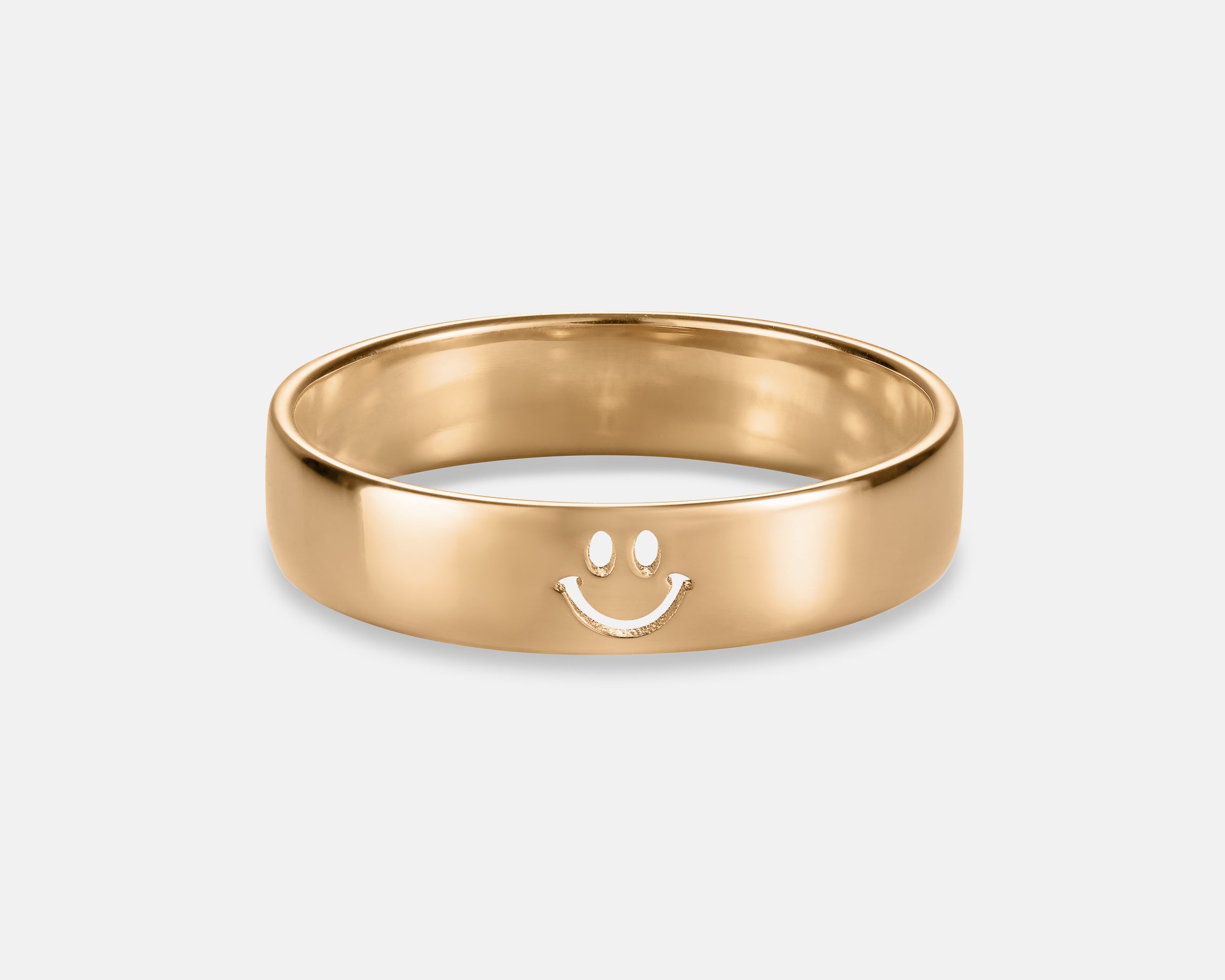
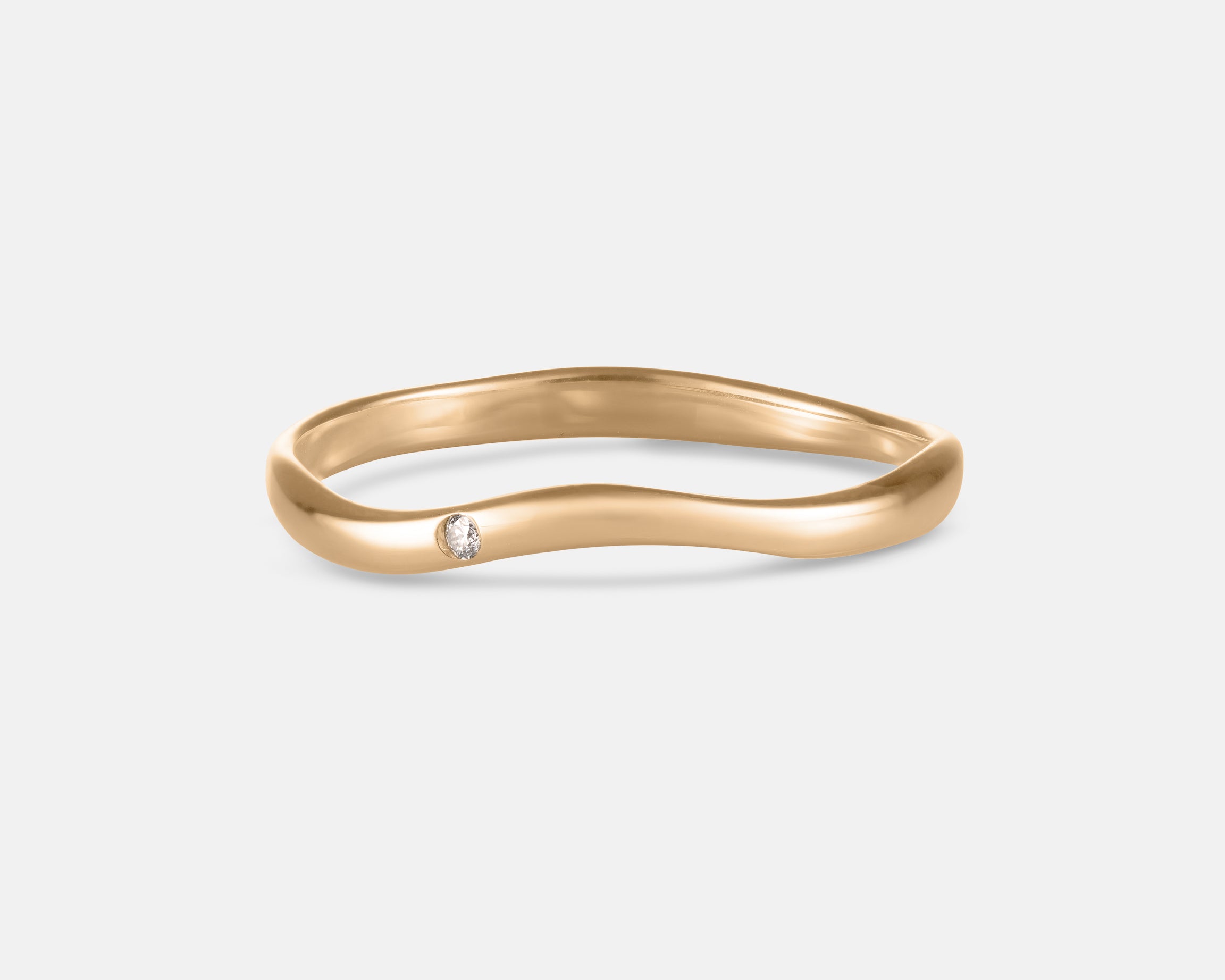
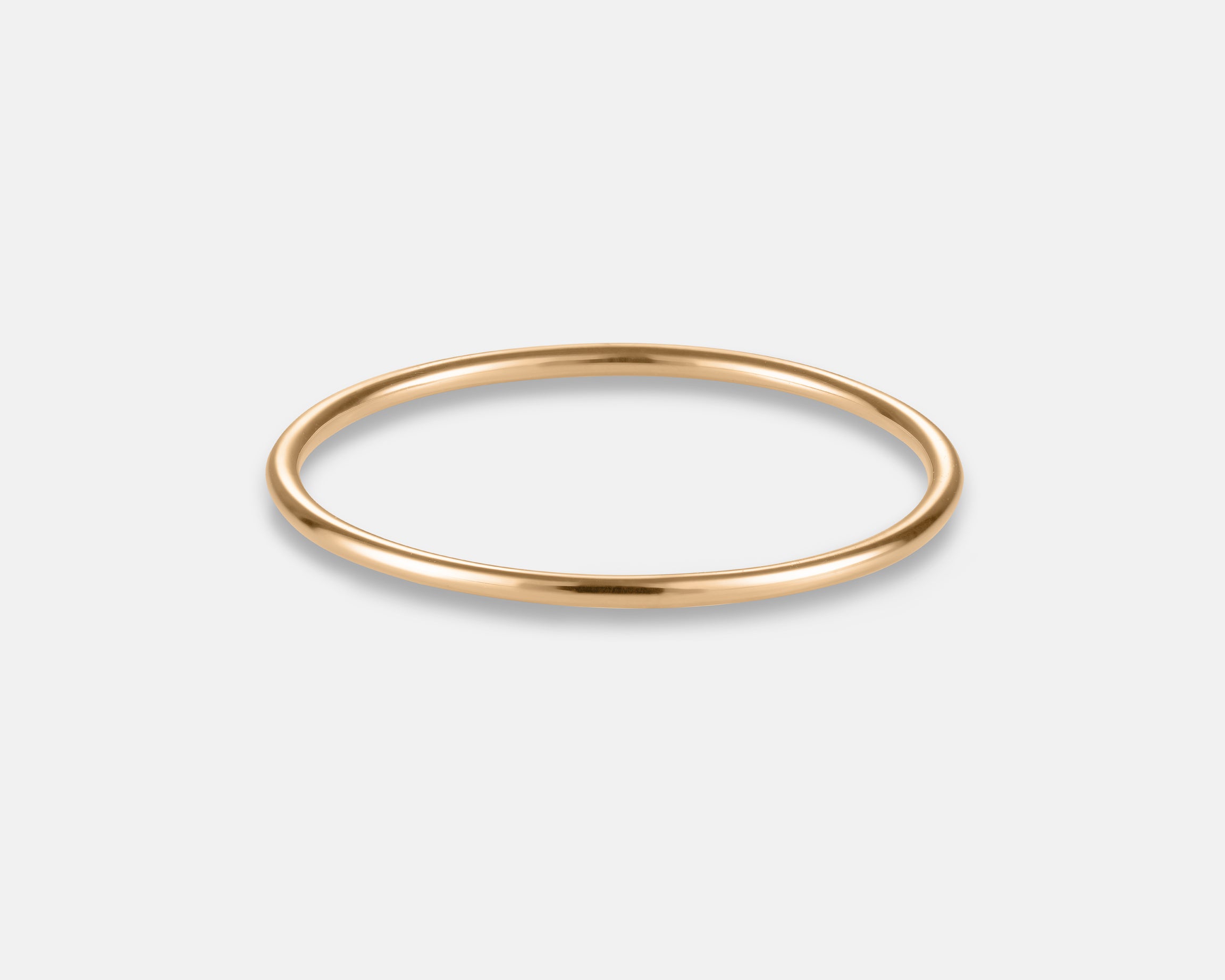
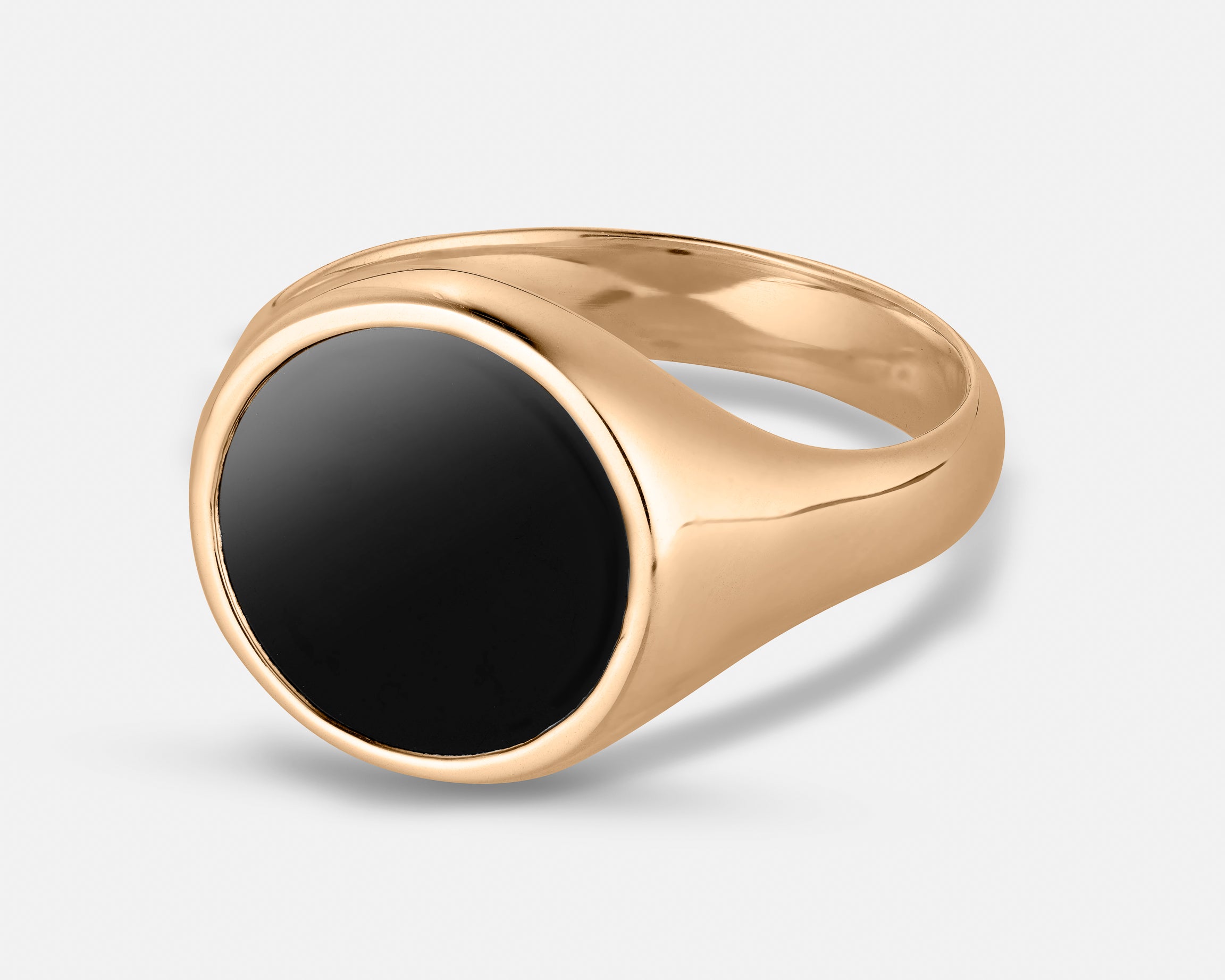


 Yellow Gold
 White Gold
 Rose Gold
 Sterling Silver
 Yellow Gold
 Platinum


Explore WILLIAM ÉDOUARD Bridal Guides


A Guide to Diamond Cuts and Shapes
A diamond’s cut and shape both play a key role in how it looks. The cut should be precisely balanced, with evenly aligned, mirror-like facets. The shape influences how light enters and exits the stone, affecting its brilliance and overall lustre. This guide offers further insight into diamond cuts and shapes, helping you make an informed decision when selecting a diamond.

ROUND BRILLIANT DIAMOND
The timeless round brilliant cut is designed to capture and reflect light from every angle, creating exceptional radiance. As a centre stone, its perfectly balanced proportions deliver beautiful fire, brilliance and sparkle.


EMERALD CUT DIAMOND
Defined by its rectangular or square silhouette with softly bevelled corners, the emerald cut is a study in refined elegance. Its broad, mirror-like table and elongated facets emphasise clarity and symmetry, revealing even the smallest imperfections. Only diamonds of exceptional quality can truly do this striking cut justice.


OVAL CUT DIAMOND
An oval diamond offers the brilliance of a round cut with a more elongated, contemporary silhouette. Elegant, luminous and enduring, its graceful proportions create a soft sense of movement along the finger, balancing classic beauty with a distinctly modern refinement.


PEAR CUT DIAMOND
A timeless and refined choice, this tapered shape echoes the elegance of a teardrop. Its asymmetrical proportions create a lengthening effect along the finger for a graceful, elongated look.


How is a diamond cut?
Before a diamond becomes the finished stone seen in a piece of jewellery, it passes through a highly considered cutting process. Every decision, from the first assessment of the rough diamond to the final polish, affects how the stone will handle light, reveal its shape and express its character.
Planning: The rough diamond is studied to understand its natural structure, proportions and possibilities. This stage determines the most suitable cut and how best to preserve beauty, brilliance and weight.
Marking: Once the cutting plan is decided, guide lines are marked onto the stone. These markings act as a roadmap for the cutter.
Cleaving: The diamond is carefully divided using specialist equipment, often with a laser or diamond-edged saw. This separates the rough stone into workable sections.
Shaping: The diamond is then formed into its early outline. This stage establishes the basic silhouette of the stone, whether round, oval, pear, emerald, cushion or another shape.
Faceting: The facets are cut into the diamond with precision. These polished planes are what allow light to enter, reflect and return through the stone, creating brilliance, fire and sparkle.
Polishing: Each facet is refined until its surface, angle and symmetry are clean and exact. Even small variations can affect the way a diamond performs.
Cleaning: The stone is cleaned to remove any residue from the cutting and polishing process.
Final Assessment: The completed diamond is inspected and graded according to the 4Cs: cut, colour, clarity and carat weight.
Understanding how a diamond is cut helps explain why two stones of the same shape can look and perform very differently. Cut quality has a major influence on the life, brightness and overall beauty of a diamond.

Engagement & Bridal

Book an Appointment
