
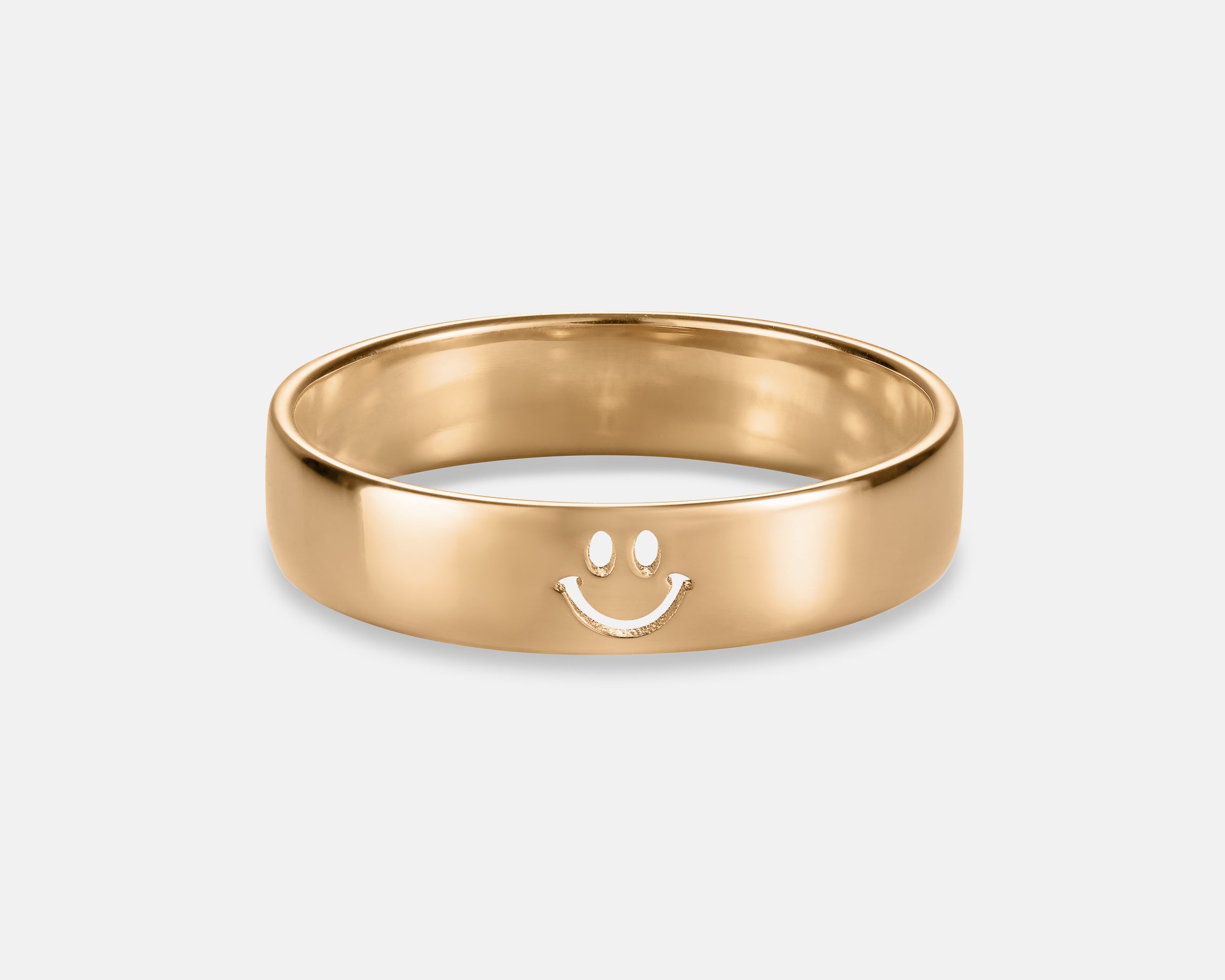
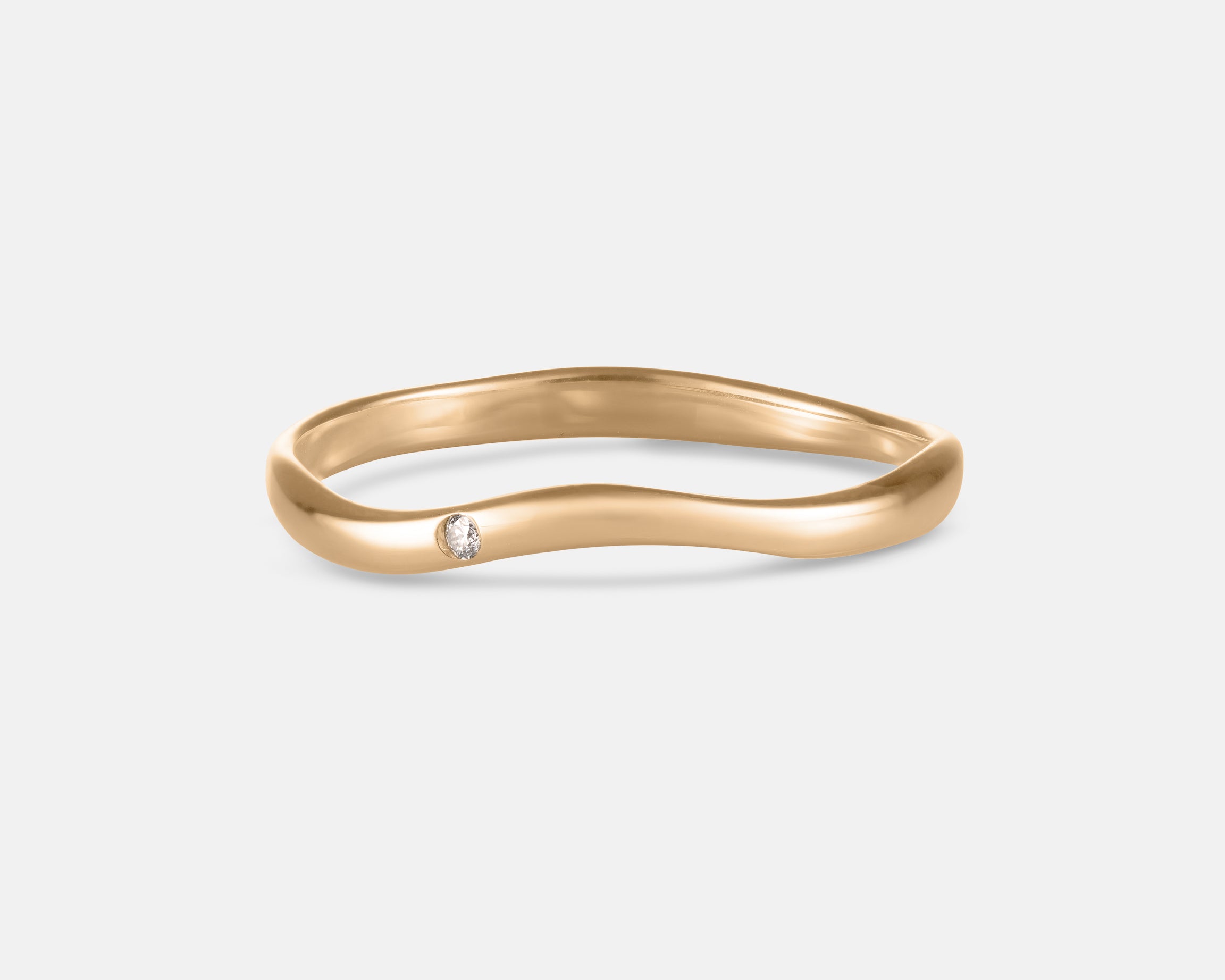
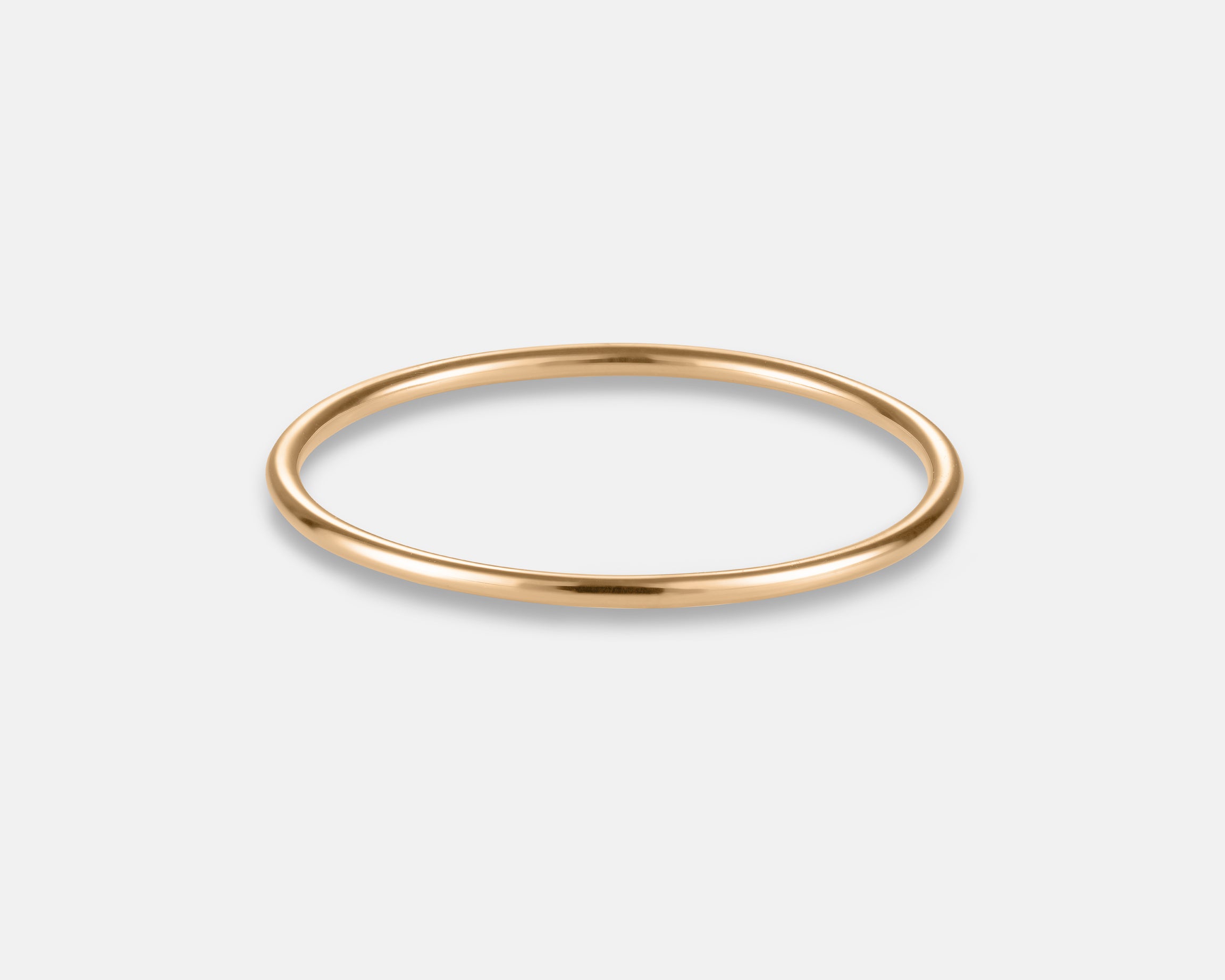
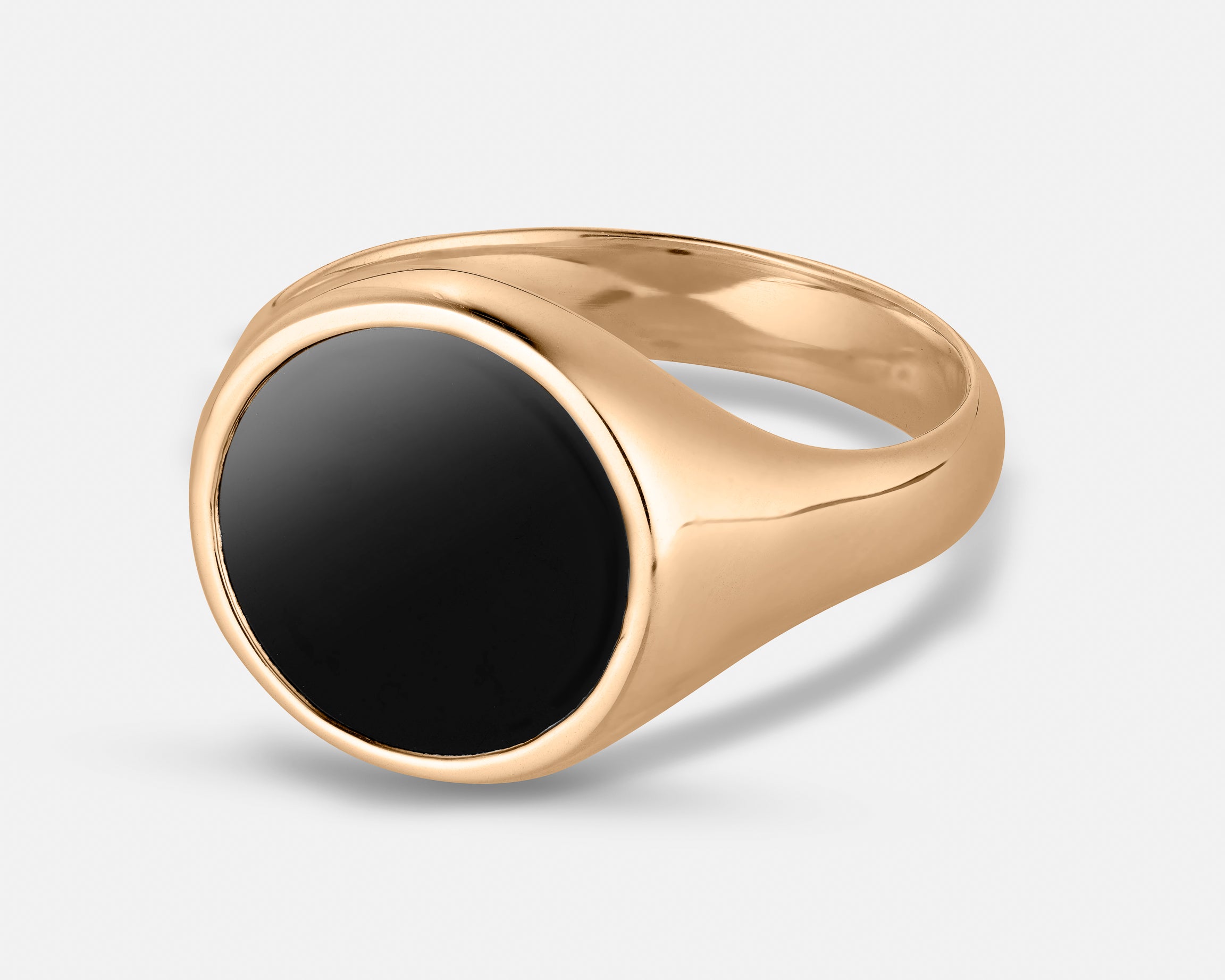


 Yellow Gold
 White Gold
 Rose Gold
 Sterling Silver
 Yellow Gold
 Platinum


Explore WILLIAM ÉDOUARD Bridal Guides


A Guide to Diamond Colour
White diamonds are graded on a scale from D, entirely colourless, through to Z, where warmer tones become increasingly visible. The rarest diamonds sit within the D to F range, where the absence of colour allows light to pass through the stone with exceptional purity.
Differences between neighbouring grades are often imperceptible to the untrained eye, yet they remain significant in rarity and value. Under the Gemological Institute of America (GIA) system, diamonds are graded face down in controlled lighting and compared against master stones of known colour, isolating the stone’s true body colour without influence from brilliance or setting.
Our collection is drawn predominantly from the D to H range.

The GIA Diamond Colour Scale
Founded in 1931, the Gemological Institute of America (GIA) is a non-profit organisation recognised for its work in gemmological research, education, analysis, and diamond grading. Its standards are used internationally to bring greater consistency and confidence to diamond assessment.
In the early 1950s, the GIA introduced its diamond colour grading system to replace the varied and often subjective language previously used to describe diamond colour. Earlier grading terms included letters such as A, B, and C, repeated A grades for exceptional stones, Arabic and Roman numerals, and descriptive phrases like “gem blue” or “blue white”.
To create a clearer and more neutral system, the GIA began its scale at D, a letter that had not already been strongly associated with the finest diamonds. Today, the GIA diamond colour scale includes 23 grades, divided into five categories:
D – F: Colourless
G – J: Near colourless
K – M: Faint
N – R: Very light
S – Z: Light
What influences diamond colour?
White diamonds are formed from carbon atoms arranged in a crystal structure. In coloured diamonds, distinctive hues can develop when trace elements, natural structural distortions, or environmental conditions affect the stone as it forms. Pressure, temperature, and natural radiation can all contribute to these colour variations.
Coloured diamond grading
Natural coloured diamonds are extremely rare, particularly those with strong, vivid colour. Assessing them requires specialised grading, with the Gemological Institute of America (GIA) evaluating coloured diamonds by the strength and character of their colour, from subtle tones through to Fancy Deep.
Among the most sought-after are Fancy Vivid diamonds, prized for their powerful, saturated colour and remarkable rarity.


How cut affects diamond colour
A diamond’s cut can change how its colour is seen. Round brilliant diamonds tend to disguise subtle warmth more effectively than many other shapes, as their faceting is designed to maximise light return and brilliance.
By contrast, cuts with broader, more open facets, such as emerald cuts, can make faint colour more visible.
How carat size impacts diamond colour
Carat weight can also influence colour perception. Larger diamonds have more visible surface area, which can make subtle warmth easier to detect. For this reason, higher colour grades are often preferred as diamond size increases, particularly if a colourless or near-colourless look is desired.
When choosing a diamond, colour should be considered alongside shape, setting, and carat weight, as each can affect the final appearance of the stone.
We can help you understand these details and select a diamond with the right balance of colour, beauty, and value. Every diamond is carefully assessed against the 4Cs, including the grading standards set by the Gemological Institute of America (GIA).

Engagement & Bridal

Book an Appointment
